
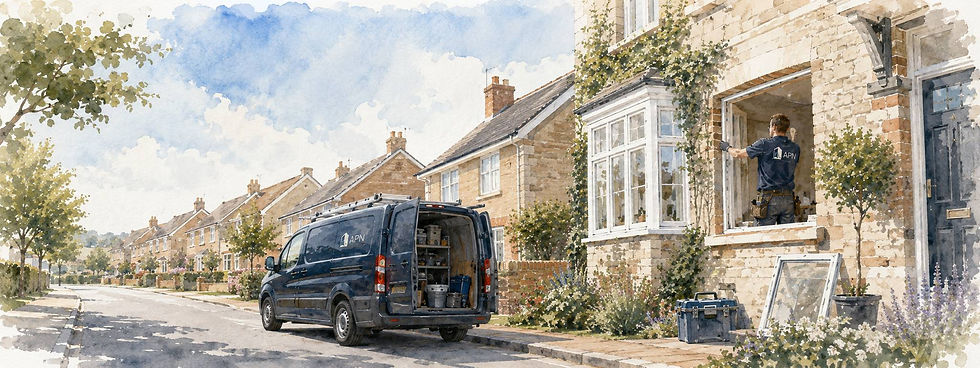
Casement Windows
Discover the different types of casement windows, including modern uPVC, traditional timber and flush casement designs for homes of every style.
Casement windows are among the most widely used window styles in UK homes. Their simple hinged design makes them easy to operate, versatile and suitable for both traditional and contemporary properties.
Unlike sash windows, which slide vertically, casement windows open on hinges. Depending on the design, they may open from the side, from the top or as part of a combination containing fixed and opening sections.
Modern casement windows are available in uPVC, timber and aluminium, with double or triple glazing, numerous frame colours and a wide choice of security and ventilation features.

What Is a Casement Window?
A casement window has one or more opening sections attached to the surrounding frame with hinges.
Side-hinged casements open in a similar way to a door, while top-hung windows open outward from the bottom. This is why casement windows are sometimes described as hinged windows or swinging windows.
Common arrangements include:
-
Single side-opening windows
-
Paired side-opening casements
-
Top-opening windows
-
Fixed panes with opening sections
-
French casement windows
-
Flush casement windows
-
Bay and bow window combinations
Because the layout can be adjusted to suit almost any opening, casement windows are used in bedrooms, kitchens, bathrooms, living rooms and home extensions.
uPVC Casement Windows
The uPVC casement window is one of the most popular replacement-window choices in the UK.
uPVC frames are affordable, low maintenance and available in a wide range of colours and finishes. They can be supplied in standard white, contemporary grey, black, cream and numerous wood-effect finishes.
Advantages of uPVC casement windows include:
-
Competitive installation costs
-
Good thermal insulation
-
Low maintenance
-
Wide choice of styles
-
Double or triple glazing
-
Modern locking systems
-
Resistance to rot and moisture
-
Matching window and door options
Multi-chambered uPVC frames can help reduce heat transfer, while modern seals and glazing units improve weather resistance and energy performance.
Standard uPVC frames can sometimes appear wider than aluminium or timber alternatives. Homeowners should therefore compare frame profiles and visible glass areas as well as price.
Timber Casement Windows
Timber casement windows provide a natural and traditional appearance, making them particularly suitable for cottages, period houses, listed buildings and conservation areas.
They may be made from softwood, hardwood or engineered timber. Engineered timber is constructed from bonded wood sections to improve stability and reduce the risk of distortion.
Benefits of timber casement windows include:
-
Traditional appearance
-
Natural material
-
Bespoke shapes and sizes
-
Suitable for heritage properties
-
Can be repaired and redecorated
-
Wide choice of paint and stain finishes
-
Long lifespan when properly maintained
The main consideration is maintenance. External timber should be inspected periodically and repainted or refinished when required to protect it against moisture and weathering.
High-quality timber windows can last for many years, but neglected frames may eventually suffer from peeling paint, loose joints or timber decay.
What Are Flush Casement Windows?
Flush casement windows are designed so the opening section sits level with the outer frame when the window is closed.
On a standard casement window, the opening section usually projects slightly beyond the surrounding frame. A flush casement creates a flatter and more streamlined external appearance.
Flush casement windows are popular for:
-
Traditional cottages
-
Period-style renovations
-
Contemporary homes
-
New-build properties
-
Properties where slimmer sightlines are preferred
They are available in uPVC, timber and aluminium, although uPVC flush casement windows have become particularly popular as an alternative to traditional timber frames.
Modern flush windows can include wood-effect finishes, mechanical joints, decorative glazing bars and traditional-style handles to create a more authentic appearance.
Flush Casement Versus Standard Casement Windows
Both designs work in much the same way, but they have a different external appearance.

Standard casement windows remain a practical and cost-effective choice. Flush casements may be preferable where appearance and frame detailing are especially important.
French Casement Windows
French casement windows have two side-hinged sections that open away from the centre.
Unlike a standard pair of casement windows, they may have no fixed central frame when both sides are open. This creates a wider, unobstructed opening.
French casements can be useful for:
-
Improving ventilation
-
Creating a wider escape opening
-
Upper-floor bedrooms
-
Traditional-style properties
-
Rooms overlooking gardens
The exact opening arrangement and security specification will vary between manufacturers, so the operation should be checked before ordering.
Double Glazed Casement Windows
Most modern casement windows are supplied with sealed double glazed units.
Double glazed casement windows contain two panes of glass separated by an insulating cavity. The cavity may be filled with argon gas, while low-emissivity glass can help reflect heat back into the room.
A modern casement window double glazing specification may include:
-
Low-E energy-efficient glass
-
Argon gas filling
-
Warm-edge spacer bars
-
Toughened safety glass
-
Laminated security glass
-
Acoustic glazing
-
Decorative glazing bars
-
Obscure glass for privacy
The frame, seals and installation are just as important as the glass. Homeowners should compare the whole-window U-value and Window Energy Rating rather than relying only on the centre-pane glass figure.
Flush Double Glazed Windows
Flush double glazed windows combine a level frame appearance with modern insulated glazing.
They are often chosen for homeowners wanting the appearance of traditional timber windows with the lower maintenance of uPVC.
Available options may include:
-
Double or triple glazing
-
Flush external frames
-
Wood-effect finishes
-
Georgian bars
-
Traditional handles
-
Deep bottom rails
-
Mechanical-style joints
-
Dual-colour frames
The quality of the detailing varies considerably between manufacturers. Viewing a sample can help homeowners compare the frame proportions, corners, glazing bars and opening mechanisms.
Energy Efficiency
Casement windows can provide excellent energy efficiency because the opening sash closes firmly against the weather seals.
Performance depends on:
-
Whole-window U-value
-
Window Energy Rating
-
Double or triple glazing
-
Frame material and construction
-
Quality of the weather seals
-
Low-emissivity glass
-
Warm-edge spacer bars
-
Gas-filled glazing units
-
Standard of installation
A well-fitted casement window should reduce draughts and unnecessary heat loss. However, even a high-performance window can underperform if there are gaps around the frame or inadequate insulation during installation.
Ventilation
Casement windows provide flexible ventilation because different sections can be opened independently.
Top-opening windows are useful for background ventilation, while larger side-opening casements can allow more air into the room.
Replacement windows may also require trickle vents, depending on the existing ventilation arrangements and current Building Regulations requirements.
Suitable ventilation is particularly important in:
-
Kitchens
-
Bathrooms
-
Bedrooms
-
Utility rooms
-
Properties with modern insulation
-
Homes where condensation is a problem
Window restrictors can limit how far a casement opens, which may be useful in upper-floor rooms or homes with young children.
Security
Modern casement windows can include several security features.
These may include:
-
Multi-point locking systems
-
Locking handles
-
Internal glazing
-
Hinge-side protection
-
Reinforced frames
-
Laminated security glass
-
Opening restrictors
-
Lockable ventilation positions
Ground-floor windows and easily accessible side or rear windows may benefit from enhanced locks and laminated glass.
Ask the installer whether the quoted window has been tested to a recognised security standard and confirm that the demonstration specification matches the product being supplied.
Casement Window Colours and Finishes
Casement windows are available in far more than standard white.
Popular frame colours include:
-
White
-
Anthracite grey
-
Black
-
Cream
-
Chartwell green
-
Golden oak
-
Rosewood
-
Irish oak
-
Natural timber stains
Dual-colour frames allow one finish to be used externally and another internally. For example, homeowners may choose grey outside and white inside.
The colour should complement the roof, brickwork, render, external doors and architectural style of the property.
Dark frames can create a strong contemporary appearance, while cream, green and wood-effect finishes may suit traditional homes.
Casement Windows for Period Properties
Casement windows can be appropriate for period houses where the proportions and frame details are carefully selected.
Features worth considering include:
-
Slim frame profiles
-
Flush opening sections
-
Traditional glazing bars
-
Timber or realistic wood-effect finishes
-
Heritage-style handles
-
Appropriate sill designs
-
Symmetrical opening layouts
Standard modern uPVC windows may look too bulky on some cottages or period properties. Flush timber or carefully designed flush uPVC casements may provide a more suitable appearance.
Properties that are listed, within conservation areas or subject to Article 4 directions may have additional restrictions. Planning permission or listed building consent may be required before replacing original windows.
Maintenance and Repairs
Casement window maintenance depends partly on the frame material.
uPVC and aluminium frames generally require occasional cleaning, while timber windows need periodic inspection and redecoration.
Routine maintenance may include:
-
Cleaning frames and drainage channels
-
Lubricating hinges and locks
-
Checking weather seals
-
Tightening loose handles
-
Clearing trickle vents
-
Inspecting glazing and external seals
-
Repainting timber frames when required
Many common problems can be repaired without replacing the entire window.
Typical casement window repairs include:
-
Replacing misted glass units
-
Adjusting dropped hinges
-
Renewing handles
-
Repairing locking mechanisms
-
Replacing damaged seals
-
Realigning opening sashes
-
Renewing restrictors or vents
Where the frame remains sound, replacing individual components may be more economical than installing a new window.
Casement Window Costs
The cost of casement windows depends on the material, size, design and glazing specification.
Factors affecting the price include:
-
uPVC, timber or aluminium frames
-
Standard or flush casement design
-
Number of opening sections
-
Double or triple glazing
-
Frame colour and finish
-
Glass type
-
Decorative glazing bars
-
Security upgrades
-
Access and scaffolding
-
Internal and external making good
Standard white uPVC casement windows are usually among the most affordable options. Timber, aluminium, coloured frames and flush casements generally cost more.
When comparing quotations, check that each installer has included the same frame, glass, locks, vents, trims and finishing work.
Casement Window Installation
Accurate surveying and fitting are essential for casement windows to open smoothly and remain weather-resistant.
A professional installation should consider:
-
Opening size and condition
-
Frame level and alignment
-
Structural support
-
Insulation around the frame
-
External weatherproofing
-
Drainage details
-
Internal finishing
-
Ventilation requirements
-
Removal of the existing windows
Poorly aligned frames can make the windows difficult to open and close. Gaps around the frame may also cause draughts, heat loss and water penetration.
The installer should explain how the work will comply with Building Regulations and whether the installation will be registered through a competent-person scheme.
Are Casement Windows Right for Your Home?
Casement windows are suitable for most properties because they are simple, versatile and available in numerous materials and styles.
They are particularly useful where homeowners want:
-
Good ventilation
-
Simple operation
-
Modern security
-
Double or triple glazing
-
A wide range of frame colours
-
Low-maintenance options
-
Flexible opening arrangements
Standard uPVC casements offer excellent value for many replacement projects. Flush casements provide a cleaner appearance, while timber casement windows may be the best choice for period and heritage properties.
Find Trusted Casement Window Installers
The performance of casement windows depends on the quality of the frame, glazing, hardware and installation.
APN Double Glazing can connect homeowners with experienced local window installers who can explain the available uPVC, timber and flush casement options and provide quotations based on the requirements of the property.
Get in touch for expert advice and a free, no-obligation quote.