
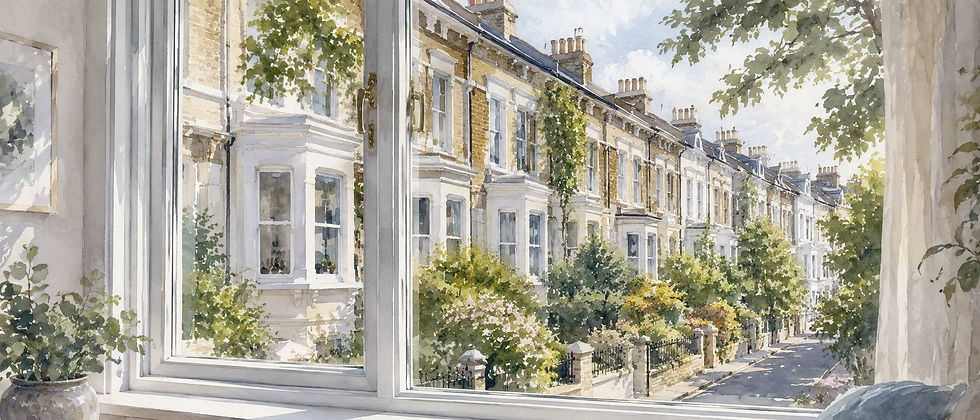
Windows in Conservation Areas
Understand the planning rules, design requirements and practical options for repairing or replacing windows in a conservation area.
Living in a conservation area does not prevent you from repairing, upgrading or replacing your windows. However, greater care is normally needed to ensure that any changes preserve the architectural character of the property and the wider street.
Original window proportions, frame materials, glazing bars, opening styles and decorative details can all contribute to the appearance of a conservation area. Replacing traditional windows with a noticeably different design may therefore require approval from the local planning authority.
Before ordering new windows, it is important to establish whether planning permission is needed and what type of replacement is likely to be considered acceptable.

Can You Replace Windows in a Conservation Area?
In many single-family houses, like-for-like replacement windows may be possible without submitting a planning application, provided the new windows have a similar appearance to those being removed.
However, additional restrictions can apply where:
-
The property is covered by an Article 4 Direction
-
Permitted development rights have previously been removed
-
The property is a flat or maisonette
-
The building is listed
-
The window openings are being enlarged or altered
-
The new frames differ noticeably in material, profile or design
-
Traditional windows are being replaced with a modern alternative
An Article 4 Direction allows a council to remove permitted development rights for particular alterations, including changes to windows and doors. This is commonly used where small alterations could gradually harm the special character of a conservation area.
Homeowners should check the council’s conservation area appraisal and confirm whether an Article 4 Direction applies before committing to replacement windows.
Planning Permission for Replacement Windows
Where planning permission is required, an application should be submitted and approved before the existing windows are removed.
The council will usually consider whether the proposed replacements preserve or enhance the character and appearance of the conservation area. Particular attention may be given to:
-
Frame material
-
Window proportions
-
Opening method
-
Frame and glazing-bar thickness
-
Sash or casement detailing
-
Glass type
-
Colour and finish
-
Position within the window opening
-
External trickle vents and other visible fittings
A proposal that closely follows the original window design is generally more likely to be supported than one that significantly changes the property’s appearance.
Different councils and conservation areas may apply different design policies. A window style accepted in one location may not be suitable in another.
Elevation Plans and a Planning Application
Where consent is required for conservation area window replacement, you will normally need properly prepared elevation plans and a planning application.
TIP: Visit Draw Plans for a FREE Quote for Elevation Drawings & Planning Application Services
The elevation drawings should clearly show the existing property and the proposed replacement windows. They may need to identify:
-
Which windows are being replaced
-
Existing and proposed opening arrangements
-
Frame proportions and glazing patterns
-
Materials and finishes
-
Window dimensions
-
The relationship between the windows and the surrounding elevation
-
Detailed frame, glazing-bar, sill and reveal profiles
Planning authorities commonly require existing and proposed elevation drawings for external window alterations. More detailed drawings or window sections may also be requested where the design of the frames is particularly important.
Clear drawings allow the planning officer to compare the existing and proposed appearance and determine whether the new windows are appropriate for the property.
Choosing Suitable Replacement Windows
The most suitable windows will depend on the age, style and construction of the building.
Traditional properties may have:
-
Timber sliding sash windows
-
Timber casement windows
-
Georgian or Victorian glazing patterns
-
Decorative horns
-
Narrow glazing bars
-
Deep window reveals
-
Original stone, brick or timber surrounds
Replacement windows should normally respect these features rather than introducing a completely unrelated design.
Modern timber windows can provide improved thermal performance while retaining traditional proportions and detailing. Slim-profile double glazing may also be suitable for some heritage properties.
UPVC and aluminium windows are not automatically prohibited in every conservation area. Their acceptability will depend on local policy, the property and how closely the proposed frames reproduce the appearance of the originals. Standard modern frames with thick sections, false glazing bars or prominent vents may be less likely to receive approval on a sensitive elevation.
Repairing Existing Windows
Complete replacement is not always the best solution.
Traditional timber windows can often be repaired, draught-proofed or upgraded. Possible improvements include:
-
Repairing damaged timber
-
Replacing sash cords
-
Adjusting hinges and catches
-
Renewing glazing putty
-
Installing discreet draught seals
-
Replacing damaged panes
-
Adding secondary glazing
-
Installing slim-profile glazing where suitable
Repairing original windows can preserve more of the building’s historic character while improving comfort and reducing draughts.
Historic England recommends considering repair and upgrading before replacing traditional windows, particularly where original materials and detailing remain.
Where the existing windows are beyond practical repair, carefully designed replacements may provide the most appropriate long-term solution.
Listed Buildings
A property can be both listed and located within a conservation area.
Replacing or materially altering windows in a listed building is likely to require listed building consent, even where the proposed windows appear similar to the originals. Planning permission may also be required depending on the work involved.
Unauthorised alterations to a listed building can have serious consequences, so advice should always be obtained before work begins. Historic England recommends checking consent requirements with the local authority conservation officer.
Listed building applications may also require detailed joinery drawings, window sections, photographs and an assessment of the condition of the existing windows.
Replacement Windows and Building Regulations
Replacement windows must also satisfy applicable Building Regulations requirements, including thermal performance, ventilation, safety glazing and means of escape where relevant.
Planning approval and Building Regulations compliance are separate matters. Receiving planning permission does not remove the need to comply with Building Regulations, and Building Regulations approval does not confirm that the window design is acceptable in conservation terms.
An experienced installer should understand both the technical requirements and any conditions attached to the planning approval.
Find Trusted Conservation Window Specialists
Installation quality is especially important when replacing windows in a conservation area. The new windows must not only perform properly but also follow the approved design, materials, proportions and detailing.
APN Double Glazing can connect homeowners with experienced local installers for traditional timber windows, sash windows, heritage glazing and carefully designed replacement windows.
Get in touch for expert advice and a free, no-obligation quote for windows in a conservation area.