
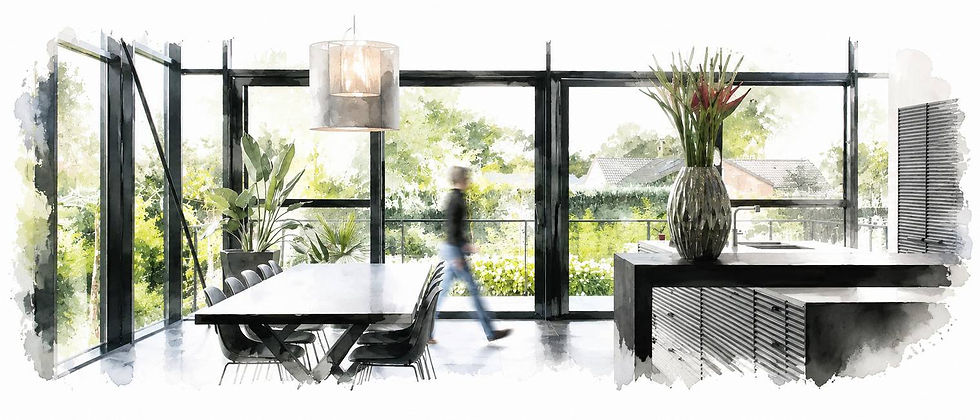
Solar Control Glass
Control unwanted heat and glare while retaining natural daylight with carefully specified solar control glazing for windows, doors and large glazed areas.
Large windows and glazed doors can fill a home with natural light, but they can also allow rooms to become uncomfortably warm during sunny weather. South- and west-facing rooms, conservatories, roof glazing and modern extensions with wide areas of glass can be particularly affected.
Solar control glass is designed to reduce the amount of solar heat entering through the glazing while continuing to admit useful daylight. It can improve comfort, reduce glare and help limit overheating without permanently covering windows with blinds or curtains.
The correct product should be chosen carefully. Stronger solar control can reduce heat gain, but it may also alter light levels, colour and external reflection.

What Is Solar Control Glass?
Solar control glass is manufactured to manage the sunlight and heat passing through a window.
It works by transmitting part of the sun’s energy while reflecting or absorbing another part. Pilkington explains that glass manages solar radiation through three mechanisms: transmittance, reflectance and absorptance. Solar control products use these properties to reduce unwanted solar heat while maintaining an appropriate level of natural light.
Solar control glazing may be:
-
Clear or neutral in appearance
-
Lightly tinted
-
Blue, grey, bronze or another colour
-
Reflective
-
Incorporated into double or triple glazing
-
Combined with low-emissivity glass
-
Supplied as laminated or toughened safety glass
-
Applied as a specialist window film
The best choice will depend on the orientation, size and use of the glazed area.
Where Is Solar Control Glazing Useful?
Solar control glazing can be particularly useful in rooms that experience excessive heat or glare.
Typical locations include:
-
South-facing windows
-
West-facing living rooms and bedrooms
-
Conservatories
-
Rooflights and roof glazing
-
Large sliding or bifold doors
-
Glazed extensions
-
Home offices affected by screen glare
-
Apartments with extensive glazing
-
Rooms with limited opportunities for external shading
Pilkington identifies large façades, atria, glazed walkways and conservatories as situations where excessive solar heat gain may make solar control glass beneficial.
A room should be assessed throughout the day. East-facing glazing may cause strong morning heat, while west-facing windows can create uncomfortable conditions during late afternoon and evening.
How Solar Control Glass Works
Solar energy reaching a window can be:
-
Reflected away from the glass
-
Transmitted through the glass
-
Absorbed by the glass and released towards the inside and outside
A solar control coating or tinted glass changes the balance between these three elements.
Some products strongly reflect solar energy, while more neutral products are designed to retain higher levels of visible daylight. High-performance coated glass can combine solar protection with low-emissivity performance, helping to control summer heat gain while also reducing heat loss during colder periods.
Understanding the G-Value
The solar factor, commonly called the g-value, describes the proportion of solar energy passing through the glazing.
A lower g-value generally means that less solar heat enters the room and the glass provides greater solar protection. The g-value is separate from visible light transmission, so both figures should be considered when comparing products.
For example, two glass products might provide similar levels of solar control but admit different amounts of daylight.
Ask the supplier to confirm:
-
The centre-pane g-value
-
Visible light transmission
-
External and internal reflection
-
The whole glazing-unit specification
-
Whether the figures apply to the proposed double glazed unit
The lowest available g-value is not automatically the best choice. Excessive solar control can make a room feel darker during overcast weather and reduce useful winter solar gain.
Solar Reflective Glass
Solar reflective glass has a coating or surface that reflects a greater proportion of solar energy away from the building.
It can be effective for highly exposed glazing, but the reflective appearance may be noticeable externally. Some products create a subtle sheen, while others produce a stronger mirror-like finish.
Reflective glass can also look different according to:
-
Sunlight
-
Viewing angle
-
Interior lighting
-
Surrounding buildings
-
Sky conditions
-
Frame colour
More reflective window films are specifically marketed as changing the exterior towards a mirrored appearance, so samples should be viewed before a final decision is made.
For many homes, neutral solar control glass may provide a more understated appearance.
Neutral Solar Control Glass
Neutral solar control glass is intended to reduce solar heat without creating a heavily tinted or mirrored window.
It can be suitable where homeowners want:
-
A natural outward view
-
Good daylight
-
Reduced heat gain
-
Limited change to the appearance of the property
-
Consistency with nearby clear glazing
Neutral products still vary considerably. Some may have a slight grey, blue or reflective appearance under particular lighting conditions.
Always inspect a physical sample or completed installation rather than relying entirely on brochure photographs.
Solar Control Double Glazing
Solar control glass is commonly incorporated into a sealed double glazed unit.
The unit may combine:
-
An outer solar control pane
-
A sealed cavity
-
Argon or another suitable gas
-
An inner low-emissivity pane
-
A warm-edge spacer bar
-
Toughened or laminated glass where required
This allows the finished window to provide thermal insulation as well as solar protection.
The position of the coating within the glazed unit is important and will be determined by the glass manufacturer. The complete build-up should be confirmed before manufacture, particularly where safety, security, acoustic or privacy glass is also required.
Pilkington Solar Control Glass
The Pilkington solar control glass range includes coated and tinted products intended for different levels of heat control, daylight and appearance.
Pilkington Suncool products combine solar control with low-emissivity performance, while other ranges offer neutral, blue or reflective finishes. Pilkington also offers products combining solar control with features such as self-cleaning glass.
Product names alone should not determine the choice. Ask the installer to explain:
-
The precise product proposed
-
Its g-value
-
Visible light transmission
-
External reflectance
-
Colour or tint
-
Thermal performance
-
Safety-glass classification
-
Suitability for the window orientation
The installer should also confirm that the proposed glass is available in the dimensions and format required for your windows or doors.
Solar Control Window Tinting
Solar control window tinting provides a retrofit alternative where the existing glass and frames remain in good condition.
A specialist film is applied to the glass to reduce solar heat and glare. Products range from highly reflective films to more neutral and nearly clear options.
Manufacturer information shows that different films can provide varying combinations of heat rejection, light transmission, glare control and external appearance.
Window film may be worth considering where:
-
Complete window replacement is unnecessary
-
Glare is the main concern
-
A room becomes excessively warm
-
A temporary or lower-disruption option is preferred
-
The external appearance must remain relatively unchanged
Not every film is suitable for every glass type. The installer should check the existing pane, sealed-unit construction, size, orientation and risk of thermal stress before recommending a product.
The window guarantee should also be checked before applying film to relatively new glazing.
Solar Control Glass Versus Window Film
Factory-manufactured solar control glass forms part of the original glazing unit. Window film is applied after the glass has been installed.
Solar control glass may offer:
-
Performance designed into the sealed unit
-
A durable protected coating
-
Integration with low-e, safety or acoustic glass
-
A consistent finish across new windows
-
Clear manufacturer performance data
Window film may offer:
-
Installation without replacing the complete glazing
-
Lower disruption
-
A range of neutral or reflective finishes
-
Improved performance for existing windows
-
A quicker solution for individual rooms
The best option depends on the age and condition of the windows, the required performance and whether wider replacement work is already planned.
Will Solar Control Glass Keep a Room Cool?
Solar control glass reduces the rate of solar heat gain, but it cannot guarantee that a room will remain cool in every condition. Pilkington notes that solar control glass does not work in isolation.
Room temperature will also be affected by:
-
Window orientation
-
Total glazed area
-
Insulation
-
Ventilation
-
Internal appliances
-
Number of occupants
-
Roof construction
-
External shading
-
Night-time cooling
-
Outdoor temperature
The most effective overheating strategy may combine solar control glazing with external shading, blinds, opening windows or mechanical ventilation.
External shading is often particularly effective because it intercepts sunlight before it reaches the glass.
Glare and Natural Daylight
Solar control glazing can reduce uncomfortable glare, which may be particularly useful in home offices, television rooms and spaces with large west-facing windows.
However, reducing glare usually means reducing some visible light. A very dark glass specification may control strong sunlight effectively but make the room feel gloomy during winter or cloudy weather.
Compare visible light transmission alongside the g-value and consider whether adjustable blinds will still be needed at particular times.
Conservatories and Glazed Extensions
Conservatories often contain large areas of roof and wall glazing and may experience substantial summer heat gain.
Solar control glass can improve comfort, but the roof, ventilation, orientation and shading should also be considered. A highly glazed room may still overheat if there is no effective method of removing accumulated heat.
For new glazed extensions, the glass specification should be considered during the design stage rather than after the room has been constructed.
Building Regulations and Overheating
Building Regulations requirements must be considered where solar control glass forms part of new construction or replacement glazing.
Approved Document O addresses overheating in new residential buildings in England and includes strategies for limiting unwanted solar gains and removing excess heat. It does not generally apply to extensions or conservatories added to existing residential buildings, although other Building Regulations requirements may still apply.
Replacement windows must also satisfy applicable requirements relating to thermal performance, ventilation, safety glazing and means of escape.
Solar control should not be used as a reason to reduce required ventilation.
Conservation Areas and Listed Buildings
Tinted or reflective glazing can alter the appearance of a property, particularly where it is installed only in selected windows.
Planning or listed building consent may need to be considered where:
-
The building is listed
-
The property is in a conservation area
-
An Article 4 Direction applies
-
Historic glass is being removed
-
The proposed glazing changes external reflections or colour
-
Window frames are also being replaced
Subtle neutral glass or internal secondary glazing may be more appropriate for sensitive historic properties.
The planning position should be checked before original windows or glazing are altered.
Questions to Ask Your Installer
Before ordering solar control glass, ask:
-
What is causing the room to overheat?
-
Which elevations are most affected?
-
What g-value is proposed?
-
How much visible light will pass through the glass?
-
Will the glass appear tinted or reflective?
-
Can I view a physical sample?
-
Is low-e performance also included?
-
Does the glass need to be toughened or laminated?
-
Is the specification suitable for roof glazing?
-
Would external shading or ventilation also be required?
-
Is window film a practical alternative?
-
What guarantee applies to the coating or film?
The quotation should state the exact glass product and performance figures rather than using only the description “solar control glazing.”
Find Trusted Solar Control Glass Installers
The right solar control specification should reduce unwanted heat without making rooms unnecessarily dark or changing the appearance of the property more than intended.
APN Double Glazing can connect homeowners with experienced local installers for solar control glass, reflective glazing, replacement double glazed units and solar control window film.
Get in touch for expert advice and a free, no-obligation quote for your windows, glazed doors or conservatory.