
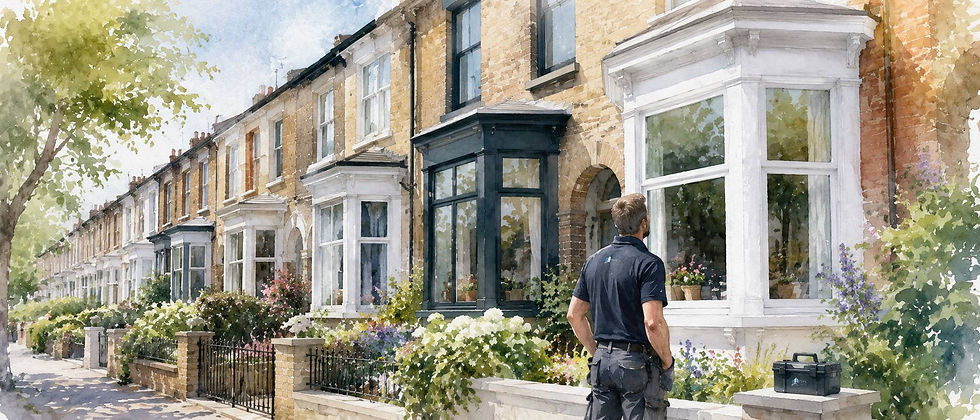
uPVC Windows
Discover the benefits of modern uPVC double glazed windows, available in a wide range of styles, colours and finishes for almost every type of home.
uPVC windows remain one of the most popular choices for replacement windows in UK homes. They are affordable, energy efficient, easy to maintain and available in a much wider range of styles than many homeowners realise.
Modern uPVC windows can be designed to suit traditional houses, contemporary extensions, rental properties and complete home-renovation projects. Options include standard casement windows, flush-fit frames, tilt-and-turn windows and realistic uPVC sash windows.
Whether you are replacing a single damaged window or upgrading all the doors and windows in your home, it is important to compare frame quality, glass performance, security

and installation standards rather than choosing on price alone.
What Are uPVC Windows?
uPVC stands for unplasticised polyvinyl chloride. It is a strong, weather-resistant material widely used for window and door frames.
A uPVC window normally consists of a multi-chambered frame containing a sealed double glazed or triple glazed unit. Internal chambers help improve insulation, while reinforcement may be added to increase strength and support larger window openings.
You may also see the term written as u PVC window, although uPVC is the standard form generally used by manufacturers and installers.
Unlike traditional timber, uPVC does not need regular painting or staining. It will not rot, rust or absorb moisture, making it particularly suitable for the UK climate.
Why Choose uPVC Windows?
The popularity of uPVC windows comes from their combination of value, performance and low maintenance.
Main benefits include:
-
Competitive installation costs
-
Good thermal insulation
-
Low maintenance
-
Wide choice of styles
-
Numerous colours and finishes
-
Modern security systems
-
Compatibility with double and triple glazing
-
Resistance to moisture and weathering
-
Availability throughout the UK
For many homeowners, uPVC provides a practical middle ground between the higher cost of timber or aluminium and the poor performance of older window systems.
Modern uPVC Windows
Modern uPVC windows have changed considerably from the thick white frames commonly installed during the early growth of double glazing.
Today’s frames can be manufactured with slimmer profiles, flush external finishes and a broader range of colours. Popular choices include:
-
White
-
Anthracite grey
-
Black
-
Cream
-
Chartwell green
-
Rosewood
-
Golden oak
-
Natural wood-effect finishes
-
Dual-colour frames
Dual-colour windows allow homeowners to choose one colour externally and another internally. For example, a grey exterior can be combined with a white internal finish.
Modern uPVC windows can also include concealed drainage, flush casements, decorative glazing bars and traditional hardware. This allows the frames to complement both new-build homes and older properties.
uPVC Double Glazed Windows
Most new uPVC windows are supplied with sealed double glazed units.
Double glazed windows contain two panes of glass separated by an insulating cavity. The cavity is commonly filled with argon gas, while low-emissivity glass can help reflect heat back into the room.
A modern double glazed uPVC window may also include:
-
Low-E energy-efficient glass
-
Warm-edge spacer bars
-
Argon-filled cavities
-
Multi-chambered frames
-
Weather-resistant seals
-
Internal glazing for improved security
The performance of a window should be assessed using its complete specification. The glass, frame, seals, spacer bar and quality of installation all contribute to its energy efficiency.
Ask installers to provide the whole-window U-value and Window Energy Rating rather than quoting only the performance of the glass.
uPVC Casement Windows
Casement windows are the most common form of uPVC window.
They are hinged at the side or top and can be manufactured in numerous combinations. A larger opening might include fixed panes, side-opening casements and a smaller top-opening window.
Casement windows are popular because they are:
-
Easy to operate
-
Suitable for most homes
-
Available in numerous configurations
-
Relatively affordable
-
Easy to clean and maintain
-
Compatible with modern locking systems
Flush casement windows are an increasingly popular alternative. The opening part of the window sits level with the outer frame, creating a cleaner and more refined appearance.
uPVC Sash Windows
uPVC sash windows are designed to reproduce the appearance and operation of traditional sliding sash windows.
They are particularly popular for Victorian, Edwardian and Georgian-style homes where standard outward-opening casement windows may look out of place.
Modern uPVC sash windows can include:
-
Vertical sliding operation
-
Georgian glazing bars
-
Sash horns
-
Decorative meeting rails
-
Traditional-style locks
-
Wood-effect finishes
-
Tilt-in cleaning functions
A well-designed uPVC sash can provide much of the appearance of a traditional timber window while reducing maintenance requirements.
However, frame proportions are important. Lower-quality sash windows may have overly thick frames or poorly positioned glazing bars that do not match the architecture of the house.
For properties in conservation areas or listed buildings, check local planning restrictions before replacing original timber sash windows with uPVC.
Tilt-and-Turn Windows
Tilt-and-turn windows provide two opening positions.
The window can tilt inward from the top for background ventilation or open fully inward from the side. This makes them particularly useful in flats, modern homes and locations where external access for cleaning is difficult.
They can offer:
-
Secure ventilation
-
Easy internal cleaning
-
Wide emergency openings
-
Contemporary appearance
-
Good weather protection
Because they open inward, furniture and curtains must be positioned so they do not obstruct the opening section.
Bay and Bow Windows
uPVC is widely used for replacement bay and bow windows.
A bay window usually follows the existing shape of the building, while a bow window projects outward using several window sections to create a curved appearance.
These installations require careful surveying because the window frames may help support part of the structure above. Suitable structural support must be provided when original timber or metal windows are replaced.
A professional installer should assess:
-
Existing supports
-
Bay roof condition
-
Internal and external finishes
-
Window-board requirements
-
Drainage and weatherproofing
-
Structural poles or reinforcement
uPVC Doors and Windows
Many homeowners choose matching uPVC doors and windows to create a consistent appearance across the property.
Available uPVC doors can include:
-
Front doors
-
Back doors
-
French doors
-
Sliding patio doors
-
Stable doors
-
Porch doors
-
Side-access doors
Using the same colour, frame profile and hardware across the windows and doors can create a coordinated finish.
However, the security and structural requirements for a door are different from those of a window. Check the locking system, hinges, reinforcement and threshold design carefully.
Energy Efficiency
Modern uPVC windows can provide good energy performance when correctly specified and installed.
Their multi-chambered frames help reduce heat transfer, while modern glazing units can limit heat loss through the glass.
Factors affecting performance include:
-
Whole-window U-value
-
Window Energy Rating
-
Double or triple glazing
-
Low-E glass
-
Gas-filled cavities
-
Warm-edge spacer bars
-
Frame construction
-
Weather seals
-
Installation quality
Lower U-values indicate better insulation. However, the best-performing window on paper may not deliver the expected result if it is installed with gaps or inadequate sealing around the frame.
Security
Modern uPVC windows can include several security features.
These may include:
-
Multi-point locking systems
-
Locking handles
-
Internal glazing
-
Hinge protection
-
Reinforced frames
-
Laminated security glass
-
Restrictors for upper floors
Ask whether the window has been tested to a recognised security standard and whether the quoted specification includes the same locks and glass shown in the installer’s demonstration model.
Ground-floor windows and easily accessible side or rear windows may benefit from laminated glass or enhanced locking systems.
Maintenance
uPVC windows require relatively little maintenance.
Routine care normally includes:
-
Cleaning frames with mild soapy water
-
Removing dirt from drainage channels
-
Lubricating locks and hinges
-
Checking weather seals
-
Tightening loose handles
-
Keeping trickle vents clear
Avoid using abrasive cleaners or harsh chemicals, as these can damage the surface of the frame.
Although the uPVC frame itself can last for many years, sealed glazing units, handles, hinges and locking components may eventually require repair or replacement.
Repairing Existing uPVC Windows
A problem with a uPVC window does not always mean the entire frame needs replacing.
Common repairs include:
-
Replacing misted double glazed units
-
Adjusting hinges
-
Replacing handles
-
Repairing locking mechanisms
-
Renewing weather seals
-
Replacing damaged trickle vents
-
Realigning opening casements
If the frames are sound, repairing individual components may be more economical than replacing the complete window.
Replacement may be more appropriate where the frames are badly distorted, the windows are extremely inefficient or the homeowner wants to change the style and appearance of the property.
How Much Do uPVC Windows Cost?
The cost of uPVC windows depends on:
-
Window size
-
Number of opening sections
-
Frame style
-
Colour and finish
-
Double or triple glazing
-
Glass specification
-
Security upgrades
-
Access requirements
-
Removal of existing windows
-
Internal and external finishing
White casement windows are normally among the most affordable options. Coloured frames, sash windows, flush casements and unusual shapes generally cost more.
When comparing quotations, check that each installer has included the same glass, frame, locks, vents, trims and finishing work.
The lowest quotation may exclude items that are essential to completing the installation properly.
Choosing a uPVC Window Installer
Good installation is essential to the performance of any replacement window.
Before appointing an installer, check:
-
The exact window specification
-
Whole-window U-value
-
Energy rating
-
Locking system
-
Glass type
-
Frame reinforcement
-
Ventilation requirements
-
Installation method
-
Product and installation guarantees
-
Removal and disposal of old windows
-
Making good around the openings
Ask whether the installation will be registered through an appropriate competent-person scheme or whether a separate Building Regulations application will be required.
Are uPVC Windows Right for Your Home?
uPVC windows are suitable for a wide range of properties and remain one of the most practical choices for homeowners who want affordable, energy-efficient and low-maintenance replacement windows.
They are particularly suitable where:
-
Budget is an important consideration
-
Minimal maintenance is preferred
-
Good energy efficiency is required
-
A wide choice of colours is wanted
-
Existing windows are already uPVC
-
Matching doors and windows are required
Timber may be more appropriate for certain listed buildings and traditional properties, while aluminium may be preferable where very slim frames or particularly large areas of glass are required.
The right choice will depend on the appearance of the property, available budget and required window performance.
Find Trusted uPVC Window Installers
The quality of the frames and glazing is important, but the final performance will also depend on accurate surveying and professional installation.
APN Double Glazing can connect homeowners with experienced local uPVC window installers who can explain the available styles, colours and glazing options and provide quotations based on the needs of the property.
Get in touch for expert advice and a free, no-obligation quote.